
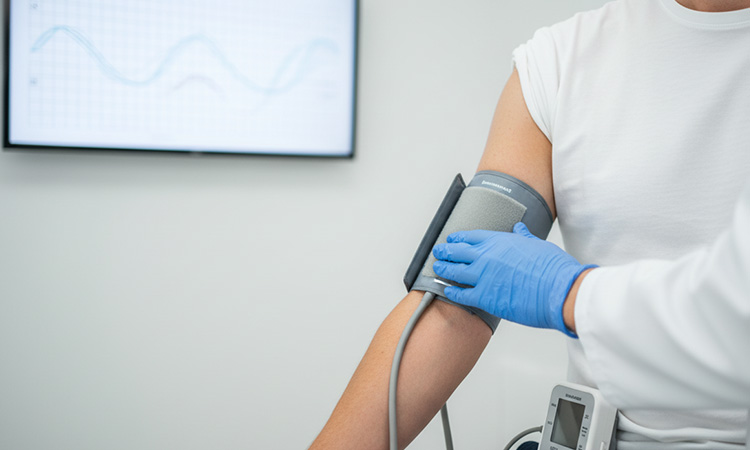
24 Hour Ambulatory BP Monitoring (ABPM)
24-hour Ambulatory Blood Pressure Monitoring (ABPM) is a diagnostic test in which a portable, automated device measures a patient’s blood pressure at regular intervals over 24 hours while they go about their normal daily activities and sleep. It gives a more accurate picture of blood pressure patterns than a single clinic reading.
Below is a clear, structured overview:
1. What is 24-hour ABPM?
A small cuff is placed on the upper arm and connected to a portable BP recorder worn on the waist or shoulder. The device automatically inflates and records blood pressure:
- Every 15–30 minutes during the day
- Every 30–60 minutes during sleep
It provides continuous BP trends and eliminates “white-coat” or “masked” hypertension.
2. Why is ABPM Done? (Indications)
Diagnosis
- Suspected white-coat hypertension
- Suspected masked hypertension
- Borderline clinic BP readings
- High BP in young patients
- Evaluation of resistant hypertension
Monitoring
- Assessing control in treated hypertensive patients
- Assessing BP variability
- Evaluation of nocturnal hypertension
- Assessing response to medications
- Suspected autonomic dysfunction
Risk Stratification
- Detecting non-dipping, reverse dipping, or morning surge, all associated with higher cardiovascular risk.
3. How ABPM is Performed
i. Patient visits clinic/lab; device is fitted.
ii. Arm-cuff placed on non-dominant arm.
iii. Instructions given:
- Keep arm still during readings
- Maintain normal activities
- Keep a diary of sleep, symptoms, activities
iv. Device worn for 24 hours (sometimes 48).
v. Patient returns the device the next day.
vi. Clinician downloads and interprets the data.
5. Interpretation Patterns
i. Dipping Patterns (Night vs. Day BP Decrease)
- Normal dipper: 10–20?ll at night
- Non-dipper: <10>
- Extreme dipper: >20?ll
- Reverse dipper: BP rises at night (high risk)
ii. Variability
- Excessive fluctuations may indicate autonomic issues or medication problems.
iii. Morning Surge
- Elevated BP early morning increases risk for stroke and MI.
6. Advantages of ABPM
- More accurate diagnosis of hypertension
- Predicts cardiovascular risk better than office BP
- Detects abnormal patterns missed by clinic readings
- Guides optimal timing and choice of medications
- Helps avoid overtreatment or undertreatment
7. Limitations / Discomforts
- Sleep disturbance due to cuff inflation
- Arm discomfort
- Possible incomplete readings
- Not suitable if patient cannot tolerate cuff (pain, skin issues)
8. Who Should Not Use ABPM?
- Severe arm injuries or lymphoedema in both arms
- Inability to follow instructions
- Refusal or anxiety making the test unsafe
9. After Test
A detailed report is provided showing:24-hr mean BP
- Day-night averages
- BP variability graph
- Dipping pattern
- Recommendations for management