
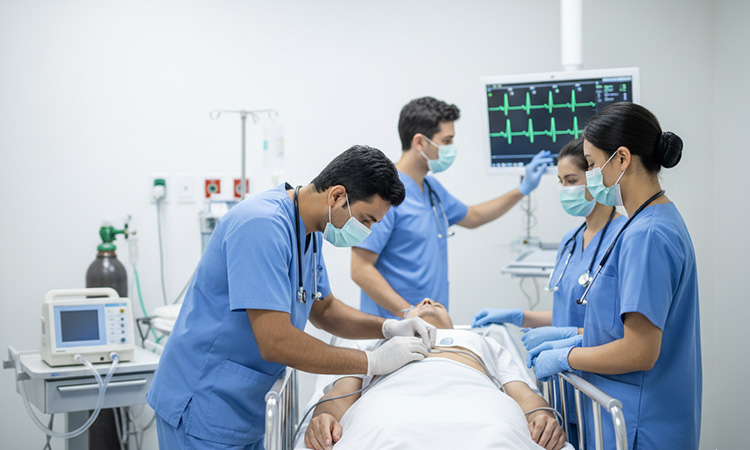
24 Hrs Emergency Cardiac Care
24-hour Emergency Cardiac Care refers to round-the-clock, rapid-response medical services designed to diagnose and treat life-threatening heart conditions. These services operate 24/7 in emergency departments, cardiac ICUs, and specialized heart centers.
Below is a clear, structured summary commonly used for clinical teaching, presentations, or notes.
1. What Is 24-Hour Emergency Cardiac Care?
It is an integrated system that ensures immediate assessment, stabilization, diagnosis, and treatment of patients presenting with acute cardiac illnesses at any time of day.
Goals:
- Save lives through early recognition and rapid intervention
- Maintain hemodynamic stability
- Prevent complications
- Provide seamless transition to definitive cardiac treatment (PCI, surgery, ICU care)
2. Common Cardiac Emergencies Managed 24/7
A. Acute Coronary Syndromes (ACS)
- ST-elevation myocardial infarction (STEMI)
- Non-STEMI
- Unstable angina
Key interventions: Thrombolysis, emergency PCI, anticoagulation, antiplatelets, ECG monitoring.
B. Cardiac Arrhythmias
- Ventricular tachycardia (VT)
- Ventricular fibrillation (VF)
- Supraventricular tachycardia (SVT)
- Atrial fibrillation with RVR
- Complete heart block
Interventions: Cardioversion, defibrillation, pacing, antiarrhythmic drugs.
C. Heart Failure & Pulmonary Edema
- Acute decompensated heart failure
- Cardiogenic shock
Interventions: Oxygen/ventilation, diuretics, vasodilators, inotropes, IABP/ECMO if required.
D. Hypertensive Crisis
- Hypertensive emergency
- Acute aortic dissection
Interventions: Rapid BP control, imaging, surgical referral.
E. Cardiac Arrest
- Immediate BLS/ACLS
- Defibrillation
- Therapeutic hypothermia if indicated
F. Structural / Mechanical Emergencies
- Acute valvular dysfunction (e.g., MR from papillary muscle rupture)
- Cardiac tamponade
- Massive pulmonary embolism (PE)
- Congenital heart emergencies in children
3. Essential Components of a 24-Hour Cardiac Emergency Unit
i. Emergency Department with Cardiac Triage
- Rapid assessment protocols
- ECG within 10 minutes
- Chest pain pathways
ii. 24/7 Catheterization Laboratory
- Emergency PCI capability
- Temporary pacemaker insertion
- Mechanical circulatory support (IABP, Impella)
iii. Cardiac Intensive Care Unit (CICU)
- Advanced monitoring
- Rhythm management
- Hemodynamic support
iv. On-call Multidisciplinary Team
- Cardiologists
- Interventional cardiologists
- Cardiothoracic surgeons
- Anaesthetists / intensivists
- Trained cardiac nurses
v. Diagnostics Available 24/7
- ECG
- Cardiac enzymes (troponin)
- Echocardiography (TTE/TEE)
- CT angiography (for aortic emergency/PE)
- Chest X-ray
vi. Emergency Transport Systems
- Ambulance & paramedic services
- Pre-hospital ECG transmission
- STEMI fast-track protocols
4. Key Emergency Interventions Provided
- CPR & defibrillation
- Thrombolysis (if PCI unavailable)
- Primary angioplasty (PCI)
- Temporary/permanent pacing
- PericardiocentesisMechanical ventilation
- IABP/ECMO in cardiogenic shock
- Heparinization, antiplatelet loading
- High-flow oxygen, NIV, intubation
5. Benefits of 24-Hour Cardiac Care
- Reduces mortality in heart attack and cardiac arrest
- Prevents long-term heart damage
- Ensures early diagnosis during the “golden hour”
- Improves patient outcomes and recovery
- Provides specialized, coordinated care
6. What Patients Should Do in a Cardiac Emergency
- Call emergency services immediately
- Do not drive themselves
- Chew aspirin if advised and not allergic
- Keep calm, lie down
- Bring previous medical records if available