
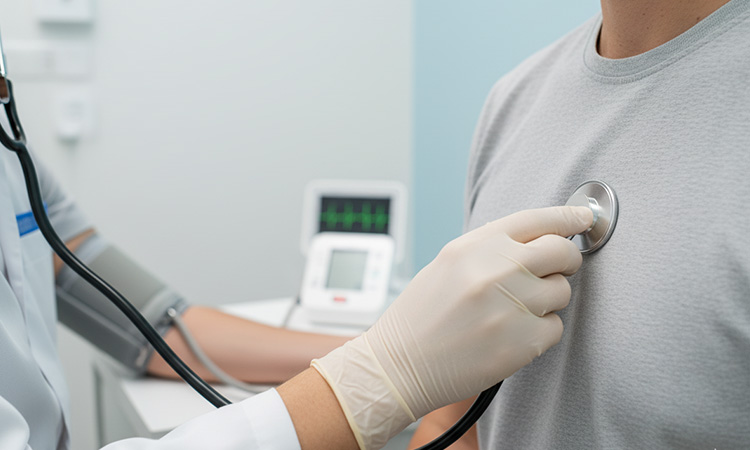
Regular Health & Heart Check Ups
Regular health check-ups are essential for early detection, prevention, and management of diseases. They help individuals stay healthy and improve long-term outcomes. Here is a clear, structured explanation suitable for patient education, presentations, or clinical notes:
Importance of Regular Health Check-ups
1. Early Detection of Diseases
Many illnesses—such as hypertension, diabetes, cancers, and heart disease—develop silently without noticeable symptoms. Regular check-ups help detect these conditions at an early stage when they are easier and less costly to treat.
2. Prevention of Future Health Problems
Health check-ups allow doctors to:
- Identify risk factors (e.g., high cholesterol, obesity, smoking)
- Advise lifestyle changes
- Start preventive medications if needed
This reduces the risk of major complications like heart attack, stroke, kidney failure, or advanced cancer.
3. Better Management of Existing Conditions
For people with chronic illnesses such as diabetes, asthma, hypertension, or thyroid problems, regular monitoring helps:
- Track progress
- Adjust treatment
- Prevent complications (e.g., diabetic kidney disease, heart failure)
4. Increases Life Expectancy
Routine screening and preventive care help detect harmful trends early and encourage healthier behaviors. This contributes to a longer, healthier life.
5. Reduces Long-term Healthcare Costs
Treating diseases early or preventing them is far less expensive than treating advanced-stage illnesses. Regular check-ups help avoid:
- Hospital admissions
- Surgeries
- Complicated treatments
6. Promotes a Healthy Lifestyle
During check-ups, healthcare providers guide patients on:
- Nutrition
- Exercise
- Weight management
- Sleep
- Stress control
These changes build long-term wellness.
7. Mental Health Evaluation
Regular check-ups include discussions on emotional wellbeing. This helps identify:
- Stress
- Anxiety
- Depression
- Sleep issues early, enabling timely support.
8. Builds a Strong Doctor–Patient Relationship
Seeing your doctor regularly creates trust and better communication, leading to more personalized and effective care.
9. Recommended Routine Tests (Depending on Age & Risk Factors)
- Blood pressure
- Blood sugar
- Cholesterol profile
- Weight & BMI
- Kidney and liver function tests
- Full blood count
- ECG
- Pap smear / mammogram (women)
- Prostate screening (men)
- Eye and dental exams
- Vaccination updates
10. Peace of Mind
Regular check-ups provide reassurance and reduce anxiety about health. Preventive care empowers individuals to stay in control of their wellbeing.