
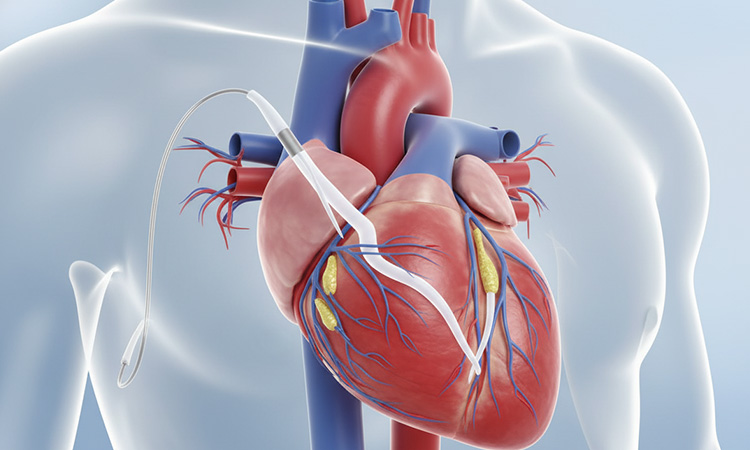
Coronary Angiography
Coronary Angiography is a specialized diagnostic procedure used to visualize the coronary arteries, which supply blood to your heart. It helps doctors detect blockages, narrowing, or abnormalities in these arteries.
It is considered the gold standard test for diagnosing coronary artery disease.
How Coronary Angiography Is Done
1. A small tube (catheter) is inserted into an artery
- Usually in the wrist (radial artery) or groin (femoral artery).
2. The catheter is guided to the coronary arteries.
3. A contrast dye (visible on X-ray) is injected.
4. A special X-ray machine (fluoroscopy) records images of blood flow through the
What It Shows
- Exact location, severity, and number of artery blockages
- Blood flow pattern through the coronary arteries
- Presence of:
- Plaque buildup
- Artery spasms
- Congenital anomalies
- Function of the heart’s left ventricle (in some cases)
Why It Is Done
Recommended when:
- You have chest pain (angina) with abnormal tests
- Positive TMT or CT Coronary Angiography
- Suspected or confirmed heart attack
- Emergency evaluation during ongoing chest pain
- Prior to certain heart procedures or surgeries
Risks (Usually Low)
- Bleeding at the insertion site
- Allergic reaction to dye
- Irregular heartbeat
- Very rare: heart attack or stroke
Hospitals are equipped to manage these complications instantly.
What Happens After the Test
- You rest for a few hours
- If done via the wrist, recovery is faster
- Reports indicate:
- % block in each artery
- Whether angioplasty or a stent is needed
- Overall heart function